 by
by 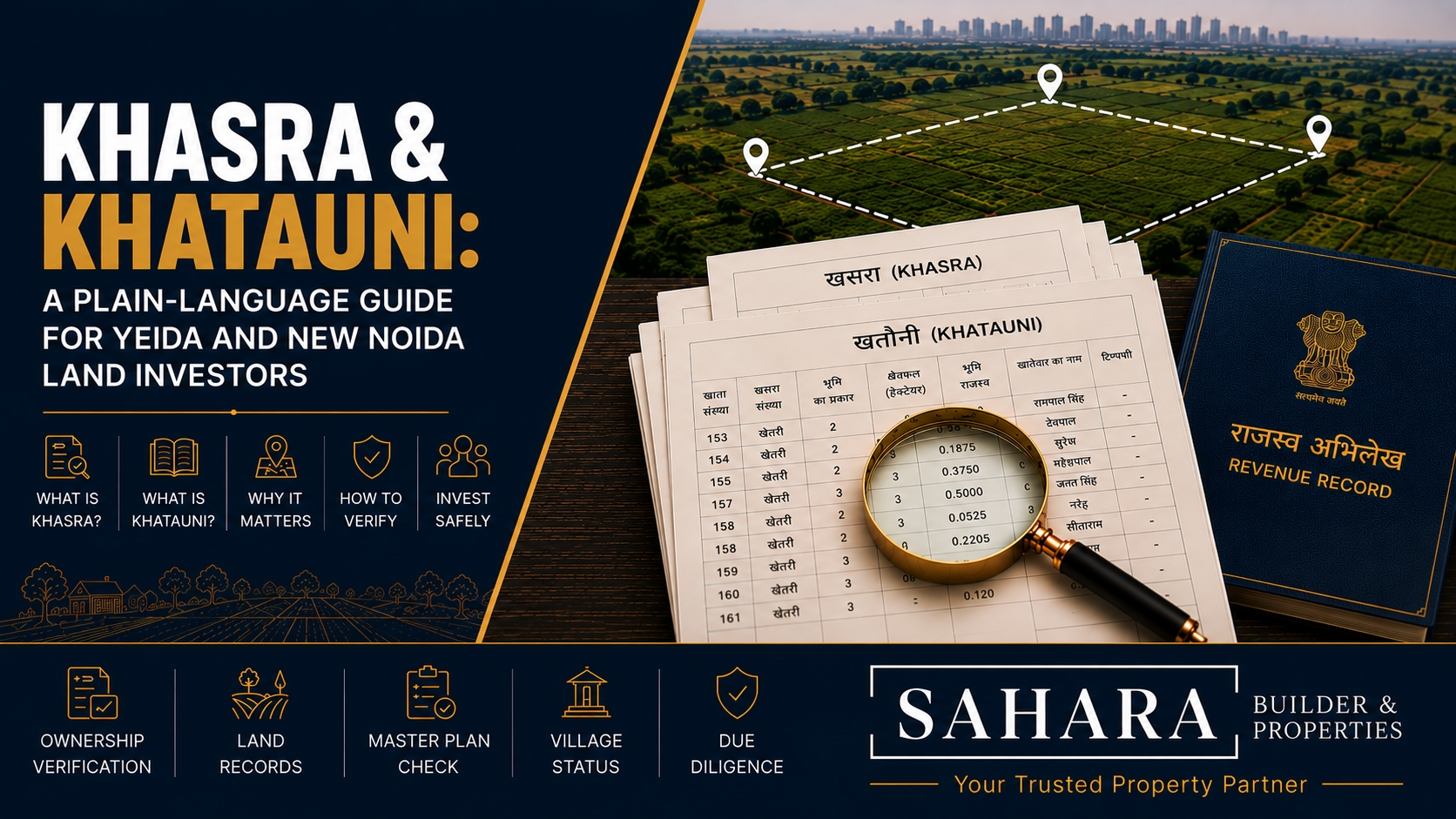
Khasra and Khatauni records are among the most important documents buyers should understand before purchasing agricultural land in the YEIDA and New Noida corridors. While many investors focus on location, future development, and pricing, land records play a critical role in verifying ownership and understanding the legal status of a property.
If you are considering agricultural land in the YEIDA or New Noida corridors, understanding these records can help you make a more informed decision.
What is Khasra?
A Khasra is a government-maintained land record used to identify individual parcels of land within a village.
Each piece of agricultural land is assigned a unique Khasra number by the government. It serves as an identification number for a specific land parcel. The Khasra record helps distinguish one parcel from another, even when multiple plots exist within the same village.
A Khasra record may contain information such as:
- Khasra number
- Land area
- Village name
- Land classification
- Basic ownership and land details maintained in government records
In agricultural land transactions, the Khasra number is often the starting point for verifying a property’s identity.
For buyers evaluating land in the YEIDA and New Noida corridors, the Khasra number is also commonly used to cross-check whether a parcel falls within the applicable master plan area, notified village boundaries, or planning zones.
What is Khatauni?
Khatauni is a record of rights maintained by the government. While the Khasra identifies the land parcel, the Khatauni identifies who holds ownership or possession rights over that land.
The Khatauni generally contains details such as:
- Name of the recorded landholder
- Associated Khasra numbers
- Shareholding information, where applicable
- Ownership details recorded in government land records
In simple terms, if the Khasra tells you which land parcel is being discussed, the Khatauni helps establish who is recorded against that parcel in government records.
The Khatauni also helps buyers understand who is currently recorded against the land and the ownership shares associated with those entries.
How Khasra and Khatauni Work Together
Khasra and Khatauni are closely linked records.
The Khasra identifies the specific parcel of land, while the Khatauni identifies the person or persons recorded against it. Reviewing both records together provides a clearer picture of the property’s identity and ownership status.
For example, if a seller claims ownership of agricultural land in a village within the YEIDA or New Noida corridor, the Khasra number helps identify the parcel and determine whether it falls within a master plan or notified area. The Khatauni helps verify whether the seller’s name appears in the relevant government records and whether the ownership shares correspond with the seller’s claim.
Why Do These Records Matter for YEIDA and New Noida Land Buyers?
For buyers interested in agricultural land within notified villages and planning areas, verifying the Khasra number and Khatauni is an important part of due diligence.
These records can help buyers:
- Confirm the seller’s recorded ownership or possession rights
- Verify that the land parcel being offered matches government records
- Identify potential inconsistencies in ownership documentation
- Review ownership-related entries associated with the property
- Cross-check information against applicable YEIDA acquisition and notification records
- Understand whether the land falls within a notified village, master plan area, or planning zone
Agricultural land transactions often involve multiple generations of ownership and historical records. Reviewing Khasra and Khatauni documents helps buyers confirm whether the land being offered corresponds with official government records.
This step becomes particularly important when evaluating land within notified villages where future authority actions, acquisition records, compensation policies, or planning notifications may be relevant.
How to Access Khasra and Khatauni Records
In Uttar Pradesh, land records can be accessed through the official Bhulekh portal maintained by the state government.
Website: https://upbhulekh.gov.in
Using the portal, users can search land records using village details and other available information. The portal provides access to government land records that can assist in preliminary verification.
While online records are a useful starting point, buyers should consider obtaining professional assistance when interpreting land records or conducting a complete title review.
Verify Before You Buy
Khasra and Khatauni records are not simply administrative documents. They form an important part of the verification process for agricultural land transactions.
Before purchasing agricultural land in the YEIDA or New Noida corridors, review both records carefully and compare them with the seller’s documentation and other relevant records. Buyers should also verify additional documents such as the sale deed, registry records, mutation entries, and any applicable authority notifications before completing a transaction.
You may also explore our YEIDA agricultural land listings to learn more about opportunities across notified villages and planning corridors.
Before completing any transaction, consider consulting Sahara Builder & Properties for guidance on land records, village status, and documentation requirements.
Related reading: Notified vs Non-Notified Villages Near Jewar Airport: What Buyers Should Know.
For guidance specific to your property, speak with a qualified legal advisor or contact our team.