 by
by 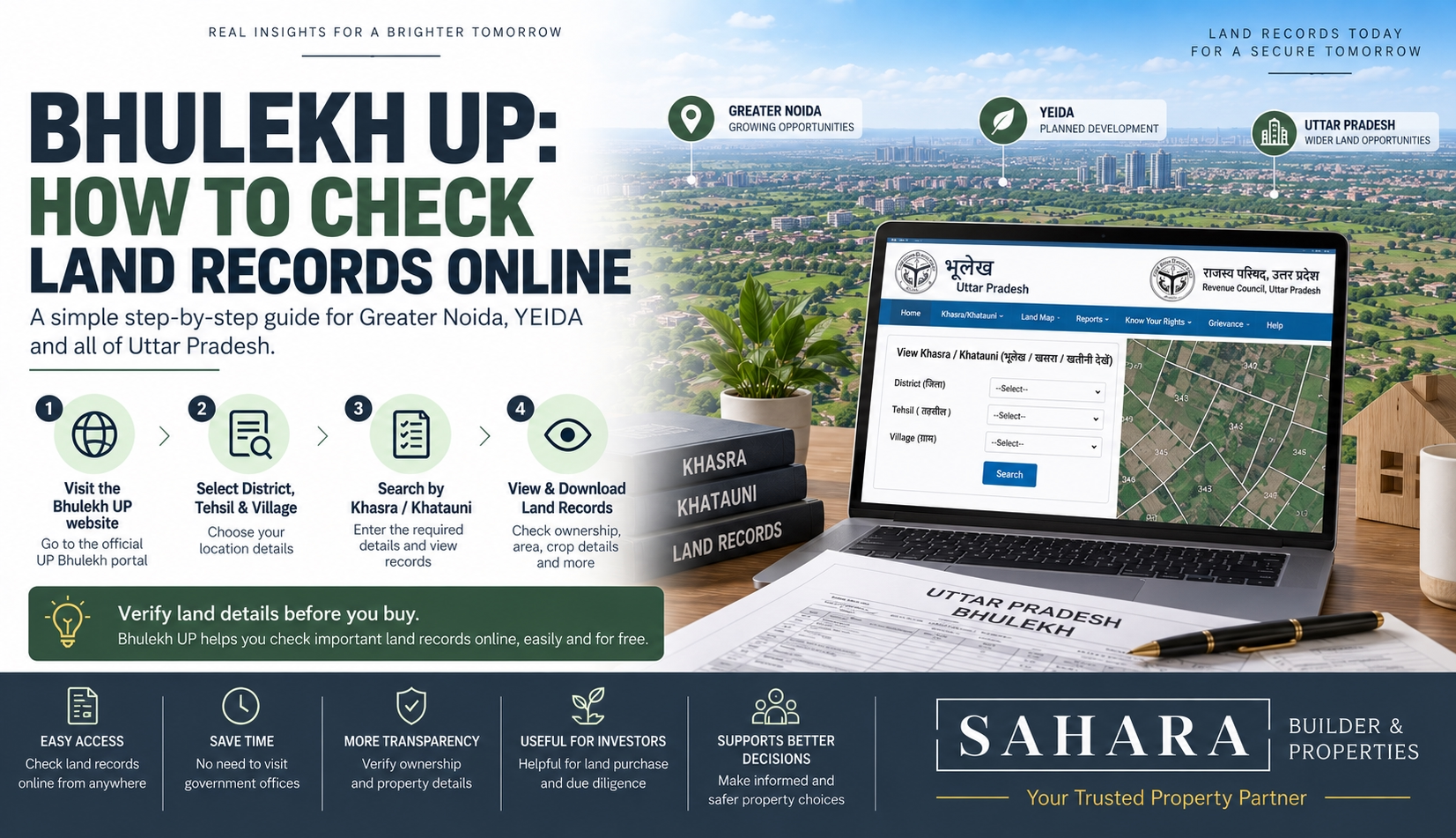
When you are purchasing land in Uttar Pradesh, one of the first online sources you might come across is the Bhulekh UP land records system. The website allows you to verify basic revenue information relating to a piece of land, such as the name of the registered landowner, the Khasra or Gata number, and the area. However, it is essential to realise what Bhulekh does show and what it does not establish before using it as a basis for a property purchase.
What Is Bhulekh?
Bhulekh is Uttar Pradesh’s online land records system, maintained under the Board of Revenue. It digitizes revenue records and provides online access to land record information, including Real Time Khatauni. The official portal allows users to search records by selecting relevant revenue jurisdiction details.
To a buyer, Bhulekh should be seen as a preliminary checking tool since it enables you to compare the information given by the seller with the relevant government revenue records.
What Kind of Information Does It Offer?
Depending on the record available for a particular property, Bhulekh can help users examine information associated with the Khasra or Gata number, Khata number, recorded landholder or Khatedar details, land area and ownership share, village and revenue jurisdiction, and other relevant land record entries.
Khasra and Khatauni have different uses: the Khasra refers to a specific parcel of land, whereas the Khatauni lists the people and rights connected with land holdings. Our guide on Khasra and Khatauni for YEIDA and New Noida explains these records in more detail.
How to Search a Land Record
The basic process is straightforward. Access the official Bhulekh portal, as it’s better to use the website operated by the Uttar Pradesh government than one that is not official. Select the district, tehsil, and village from among the available options, then choose a search method, such as the Khasra or Gata number, the Khata number, or the recorded landholder’s name.
Once the record loads, review the parcel number, area, recorded names, and other entries available, and compare this information with the seller’s documents and the property details provided to you.
What Does Bhulekh Lack?
Although an online land record is useful, it does not amount to full title verification. A Bhulekh entry on its own should not be regarded as conclusive evidence that the seller has clean and transferable title. Buyers will also need to examine the registered sale deeds, earlier ownership documents, mutation records, encumbrances, any court matters, authority records, and applicable land-use restrictions.
While a revenue record shows who is listed as being associated with a parcel, it does not on its own answer every question about the property’s full ownership history or whether other legal interests affect the land.
What Buyers Should Keep in Mind
Before you buy land, check the basic revenue details using Bhulekh, then compare them with the physical documents and records obtainable from the relevant authorities. Focus on the Khasra or Gata number, along with details regarding ownership, area, and shares. If there is a discrepancy between the online information and the seller’s documents, look into it before moving forward.
It is advisable to use the official portal to obtain the most up-to-date record rather than depending on screenshots or copies provided by someone else. Bhulekh is a good place to begin when verifying land records, but proper due diligence also requires checking the broader documentation and legal status of the property.
For guidance specific to your property, speak with a qualified legal advisor or contact our team.