 by
by 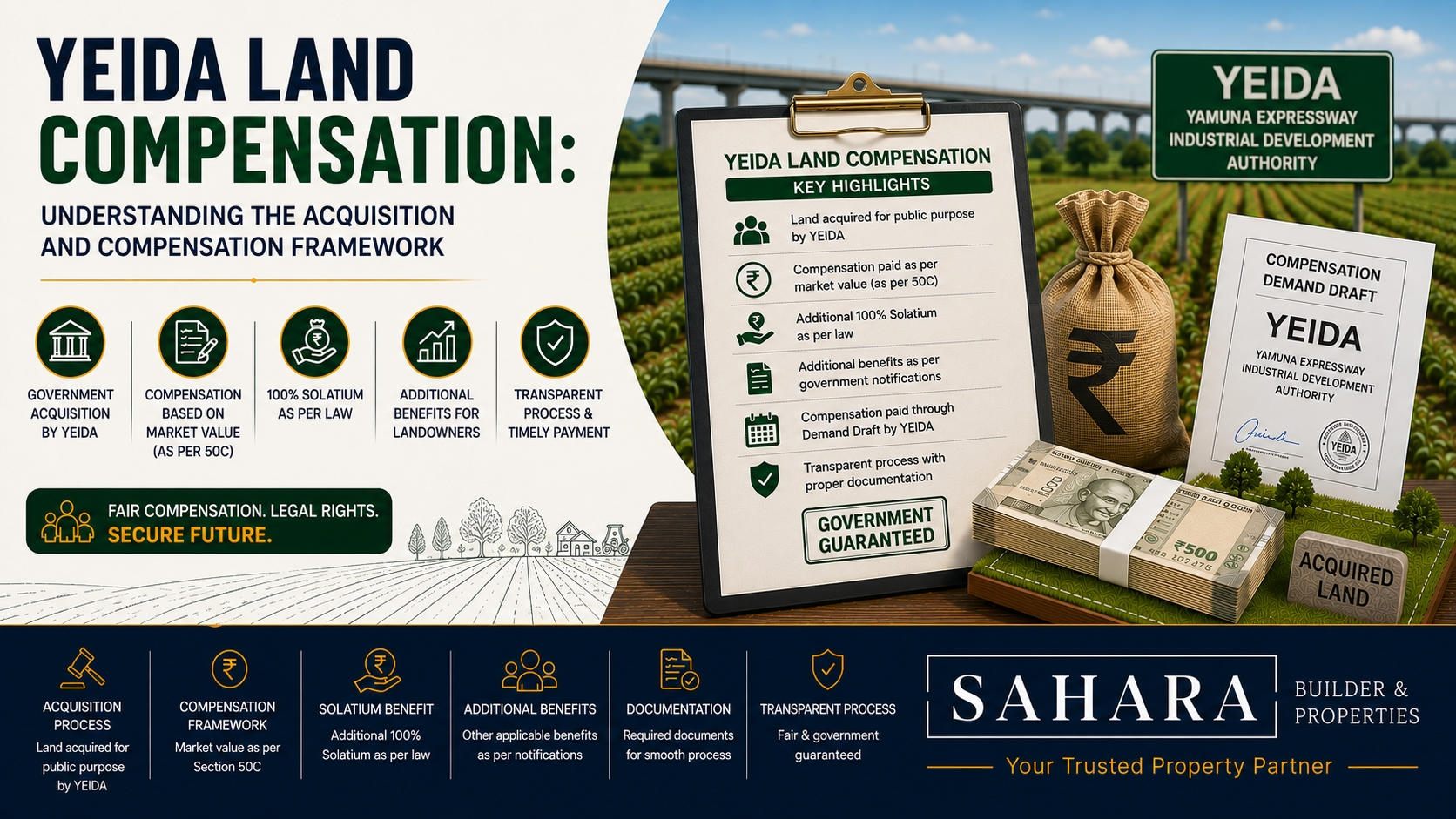
YEIDA Land Compensation: Understanding the Acquisition and Compensation Framework
YEIDA land compensation is important for farmers, landowners, and investors evaluating agricultural land in notified villages near Noida International Airport. Understanding how compensation is determined helps landowners grasp the acquisition process and gives buyers valuable context when evaluating agricultural land opportunities in the YEIDA corridor.
Since compensation is governed by legal and policy frameworks, understanding the basics of the process is an important part of due diligence.
What is YEIDA Land Acquisition?
The Yamuna Expressway Industrial Development Authority (YEIDA) acquires agricultural land in notified villages for planned development activities within its jurisdiction.
Land may be acquired for infrastructure projects, industrial development, residential sectors, institutional areas, transportation networks, and other planned development initiatives approved under applicable government policies.
The acquisition process is carried out through official notifications and land acquisition laws. Once land falls within an acquisition framework, the authority follows prescribed procedures for notification, measurement, compensation, and related matters.
How is Compensation Determined?
Compensation is determined through the applicable land acquisition framework and government policies in force at the time of acquisition.
At the central level, the process is governed by the Right to Fair Compensation and Transparency in Land Acquisition, Rehabilitation and Resettlement Act, 2013 (LARR Act), along with applicable state-level notifications and procedures.
Compensation calculations may take into account factors such as:
- Circle rates
- Market value assessments
- Applicable multipliers
- Statutory benefits provided under the acquisition framework
Since compensation is determined through a legal and policy-based process, the final amount depends on the specific acquisition, applicable notifications, and relevant government provisions.
What Does Compensation Include?
Compensation may include several components depending on the applicable acquisition framework.
The primary component is cash compensation paid for the acquired land.
In addition, eligible landowners may receive statutory benefits such as solatium, an additional amount over the assessed value under the applicable legal framework.
Where applicable, eligible landowners may also qualify for benefits under the YEIDA 7% plot policy, which is separate from cash compensation and operates under its own eligibility and allotment framework.
Understanding these components can help landowners better understand the overall compensation structure associated with acquisition.
What is the Process?
Individual acquisitions may have specific procedural requirements, but the compensation process generally follows several stages:
- Land acquisition notification
- Survey and measurement of affected land
- Determination of compensation under the applicable framework
- Issuance of the award
- Compensation payment to eligible landowners
Since compensation is linked to ownership records and official documentation, maintaining complete land records throughout the acquisition process is important.
Common Concerns Raised by Landowners
Landowners often have questions regarding compensation procedures and timelines.
One common concern is delays in compensation processing. Since compensation involves documentation, verification, and procedures, the timeline may vary depending on the circumstances of each acquisition.
Another concern involves valuation. Landowners frequently seek clarification regarding how compensation amounts are calculated and which factors are considered under the applicable framework.
Documentation issues can also create complications. Incomplete ownership records, unresolved title issues, or discrepancies in supporting documents may require additional verification before compensation-related matters can be processed.
For these reasons, maintaining accurate land records and carefully reviewing official acquisition documents is important throughout the process.
Before You Buy
For investors evaluating agricultural land in notified villages, understanding the compensation framework is key to due diligence. Village status, acquisition notifications, ownership records, Khasra details, Khatauni records, and applicable authority policies should all be reviewed carefully.
Understanding how compensation is determined helps buyers better evaluate the framework governing a parcel of land and avoid assumptions based on incomplete information.
Guiding landowners and buyers through notified village transactions, compensation matters, acquisition frameworks, and agricultural land due diligence has been a core area of expertise for Sahara Builder & Properties for many years.
Unlike a conventional real estate transaction, our role often continues beyond the land purchase itself. We regularly assist clients through documentation, authority procedures, compensation-related formalities, and follow-up requirements until the compensation amount is credited by YEIDA in accordance with the applicable framework.
Before proceeding with any land transaction in the YEIDA corridor, consider consulting our team for guidance on documentation, acquisition-related matters, and due diligence requirements.
For guidance specific to your property, speak with a qualified legal advisor or contact our team.